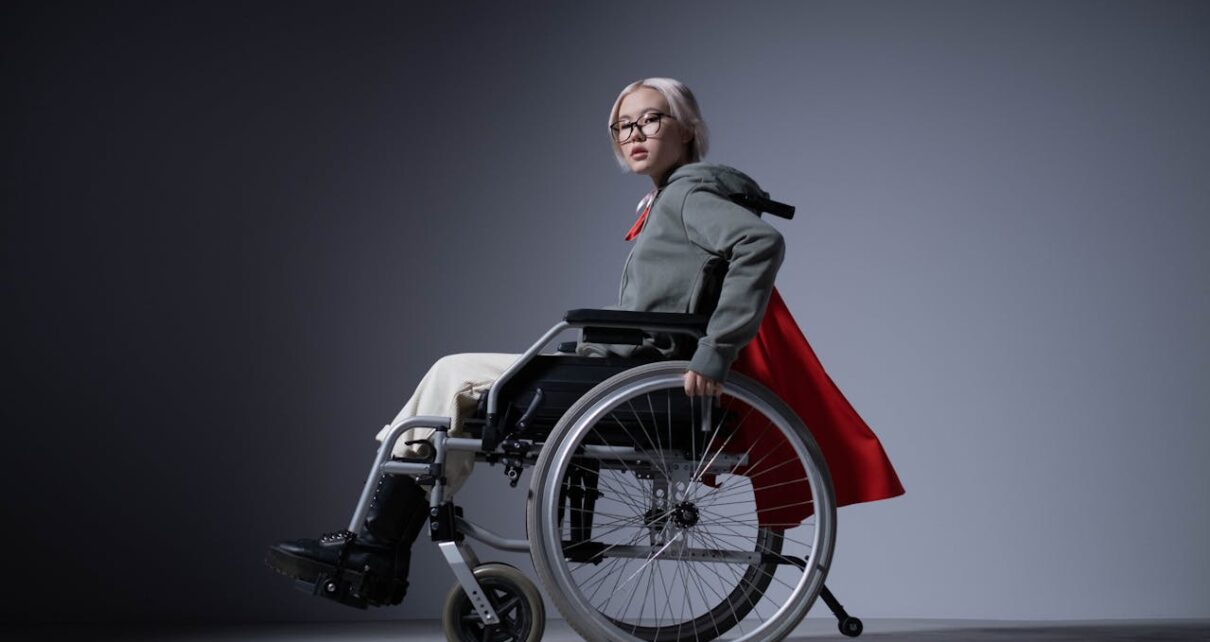
Adaptive fashion is gaining momentum as more families look for practical yet stylish wardrobe options for teens with physical challenges. These garments are reshaping how independence and comfort come together in daily routines. For teens and parents alike, finding the right pieces can be a significant step in building confidence and autonomy. If you’re searching for clothing solutions for mobility and independence, you’ll want to keep a few key factors in mind while shopping.
Comfort That Works All Day
The very first consideration should be comfort. For teens who spend a lot of time seated or use mobility aids, features like seamless interiors, soft fabrics, and gentle waistbands are more than preferences—they are necessities. Avoid clothes that cause irritation or pressure points. Flat seams, tagless labels, and breathable materials go a long way in keeping a teen comfortable during school, activities, and downtime.
Easy-On, Easy-Off Features
A major benefit of functional clothing is simplified dressing. This can make a big difference not only in morning routines but also in maintaining a sense of personal autonomy. Consider pants with elastic waistbands, magnetic or Velcro closures, and side-open designs. Shirts with front closures or stretchy necklines can make dressing much faster and more comfortable for teens with limited upper-body mobility or dexterity issues.

Style and Self-Expression
Let’s face it—teens want to fit in. Clothes that look “different” can unintentionally lead to discomfort or social anxiety. Adaptive fashion doesn’t mean giving up on trends. Today’s designs are made to look just like regular clothes, blending function with current styles. Jeans with hidden openings, athletic wear that accommodates prosthetics, and even undergarments with easy-access closures now come in colors and patterns that reflect real teen fashion preferences.
Adaptability Across Activities
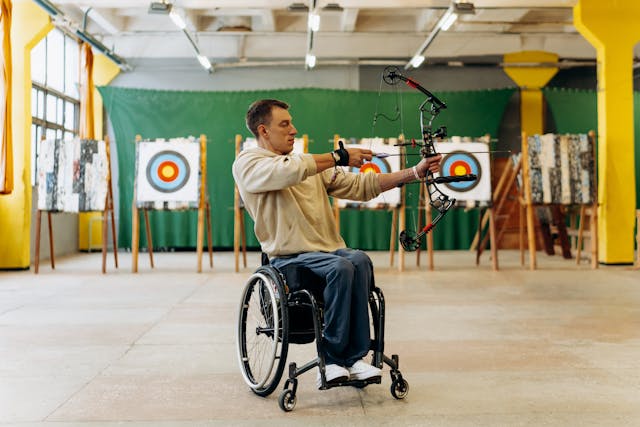
From school to social events to sports, teens are active in all kinds of settings. Their clothing should be able to keep up. Seek out multipurpose outfits that offer both flexibility and accessibility. Adaptive athletic wear, for example, often features stretch fabric, magnetic fastenings, and easy layering options that make transitions throughout the day simpler. These designs help teens move freely without constantly needing assistance.
Medical Access When Needed
Some teens require clothing that accommodates medical equipment, such as braces, feeding tubes, or orthotic devices. Look for items with discreet openings or built-in flaps that allow access without requiring the teen to remove the entire garment. This not only helps with privacy but also supports independence and dignity in both private and public settings.
Involvement Builds Confidence
It’s incredibly helpful to involve teens in the clothing selection process. Giving them choices in styles, colors, and fabrics helps promote the feeling of ownership and pride in how they present themselves. While functional needs matter, emotional well-being does too. Encouraging input helps teens feel seen and respected during a time in life when identity is still being shaped.
Durability and Maintenance
Finally, make sure the clothing can hold up to wear and repeated washing. Teens can be rough on their wardrobes, and functional clothes are no exception. Look for sturdy materials that offer a balance between strength and softness. Easy-care fabrics are especially helpful for busy households—reducing stress and keeping clothes in good shape for longer.
Conclusion
Choosing functional clothing for teens with limited mobility involves more than just meeting basic needs—it’s about supporting their comfort, independence, and confidence. Key features like soft fabrics, easy fastenings, discreet medical access, and on-trend styles all contribute to a wardrobe that works for both daily life and self-expression. By focusing on what makes dressing easier and more empowering, families can help teens feel more in control and better prepared for every part of their day.…



 The first step in spotting authenticity and maximizing value in pre-owned fashion watches is thorough research. Familiarize yourself with the specific brand and model you are interested in and study its unique characteristics, such as case shape, dial design, and movement type. Look for reliable sources of information, such as official brand websites, reputable watch forums, and authentication guides.
 To ensure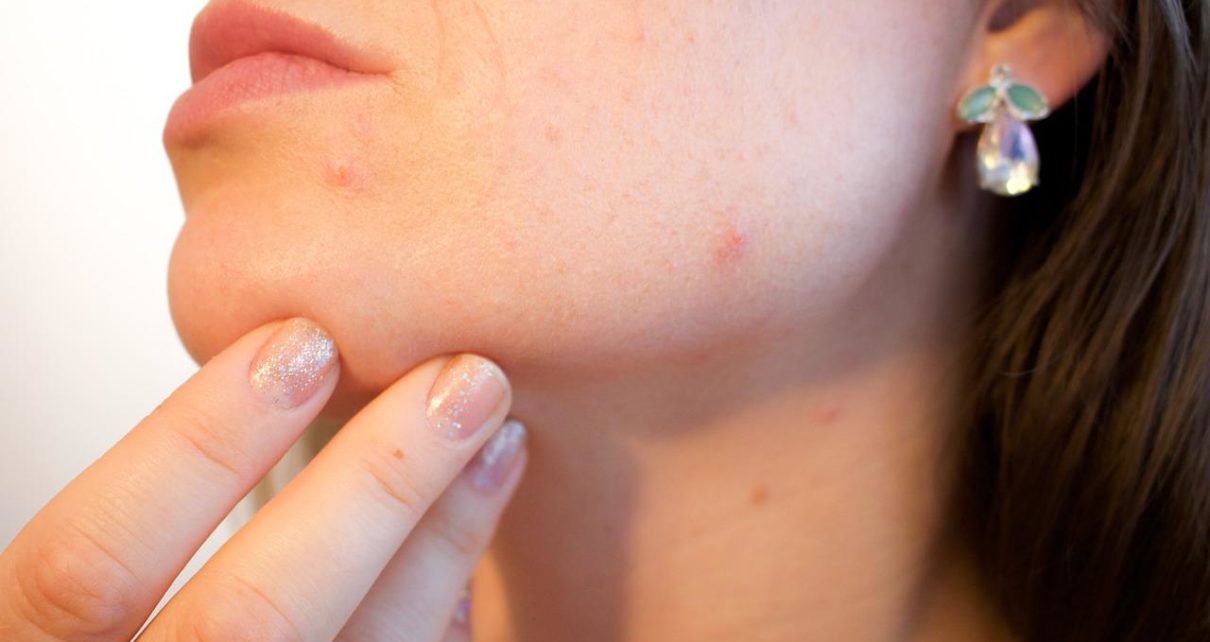
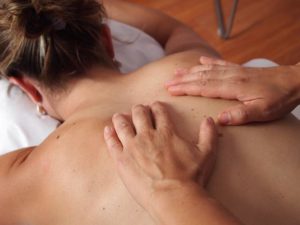 One way to take care of your skin is to get a massage. This will help increase blood circulation and promote cell turnover. Many people prefer a warm stone massage.
  Many people do not know that exfoliating your skin is important. This will help to prevent clogged pores and give your skin a healthy glow. You can exfoliate with a gentle scrub or use a natural product like baking soda. Just apply it to your wet skin and massage in circular motions. Exfoliating once a week should be enough to keep your skin healthy. Many people mistake exfoliating too often, which can damage your skin. We hope you’ve found these tips helpful. If you want more personalized advice, don’t hesitate to reach out to us for a consultation.